

The Impact of Technology on Production Processes
In recent years, new technologies such as virtual reality, image and sound processing, and advanced software for post-production processes have developed rapidly. What are their effects on the world of productions in 2025?
First, new technologies like virtual and augmented reality and sound impressive allow for creating effects and images at a higher level than ever. This enables the audience to experience the production in a more realistic and spectacular way.
In addition, post-production process management software allows producers to work more efficiently. They assist in managing timelines, budgets, and resources to create quality and spectacular productions.
The real chapter is always more fascinating than the fictional chapter
Yoav Glor – Israeli journalist
In conclusion, it appears that the impact of technology on production processes in 2025 is immense. New and advanced tools enable the creation of spectacular and fascinating productions in an efficient and innovative manner.
Changes in Production Processes as a Result of the Corona Crisis
The Corona crisis has significantly affected the production industry in the digital age of the twenties of the 21st century. In recent years, it seems that production processes are undergoing significant changes that need to be addressed and adapted to.
The Corona crisis has led to the need for the use of more advanced technology and changes in work processes. Remote work, reducing physical teams, and shifting most activities to a digital environment are just some of the changes that have occurred in productions in recent years.
Readers want to know the truth, not the story
Yael Cohen – Israeli journalist and author
Adapting to the new reality also requires adapting tools and equipment. Technological innovations and the use of new software are becoming an integral part of the new production processes in the era of tight budgets.

There is no real power like the power of the true plot
The relevance and efficiency of productions in 2025 depend on the ability to adapt processes to the new reality and to use technology smartly and efficiently. Only by focusing on changes and adapting to the new reality can production remain relevant and efficient even in the era of the Corona crisis.
The Potential of Digital Platforms for Change in the Production Industry
In the advanced technology age we live in, digital platforms are vital tools for changing the production industry. They enable producers and creators to create fascinating and original content using innovative and creative technologies.
Digital platforms also offer solutions to various challenges emerging in this era, such as the need to develop new methods for marketing and distributing content, creating a more fascinating and exciting viewing experience, and providing convenient and easy access to diverse and quality content.
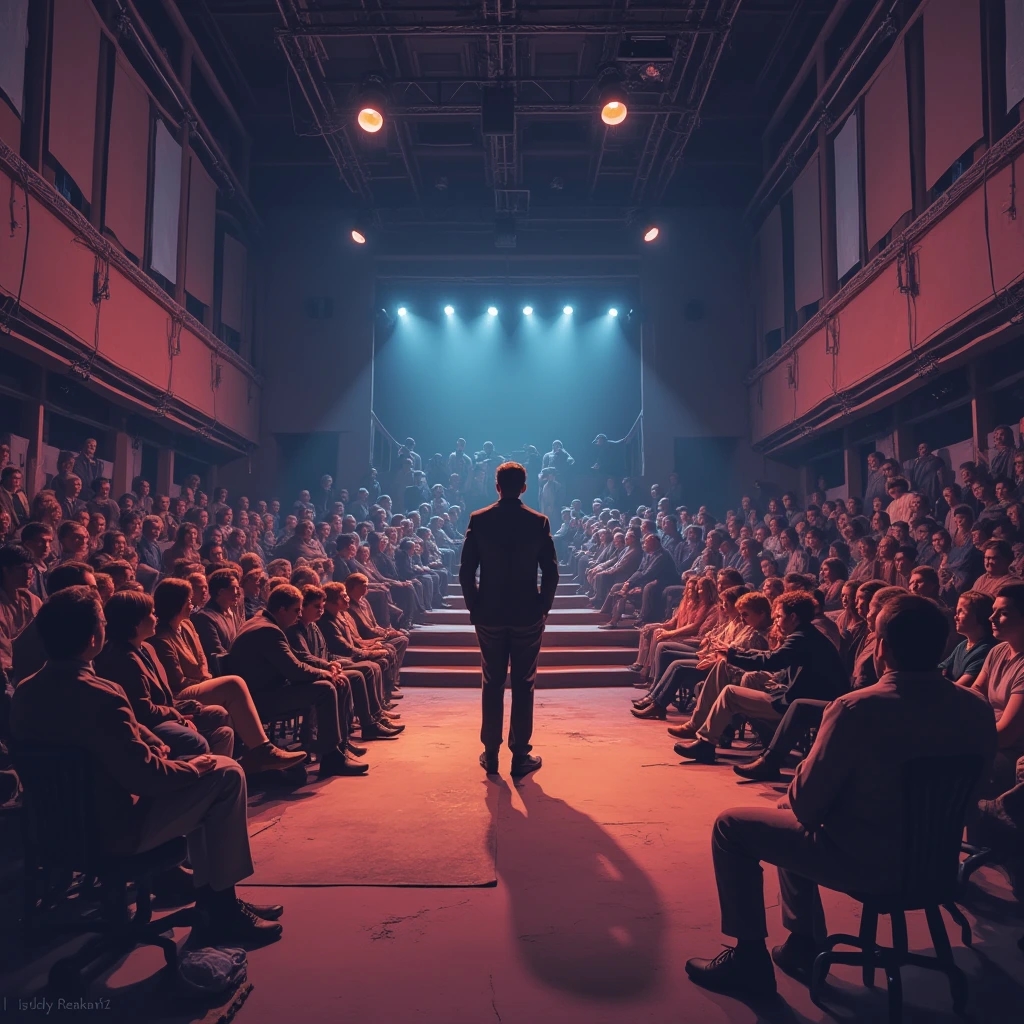
Truth is what captivates the audience
Using digital platforms allows producers to be more creative and fascinating in the production process, and to efficiently deal with new technological challenges emerging in the industry. All this without compromising the content quality and the viewing experience of the audience.
In summary, digital platforms offer enormous potential for change in the production industry and for creating fascinating and meaningful content using innovative and advanced technologies.
The Influence of Consumer Culture on the Production World
Consumer culture consistently influences the production world, even in 2025. With the development of technology and communication, consumers feel closer to products and their production processes. This leads to a higher demand for transparency and responsibility from the producing companies, forcing them to adapt to more demanding social and environmental standards.
The solution is not to deceive the audience and say it’s rain
Ehud Barak – Israeli director and psychologist
Additionally, consumer culture influences the advertising and marketing of products. How brands deal with various social and cultural issues such as equality, environment, and health affects their production and marketing. Consumers seek values and meaningful intentions behind products, and companies need to be sensitive to customer needs to survive and thrive in the competitive and dynamic world we live in.
In the 21st century, with the development of social networks and digital media, consumers become active partners in production and marketing processes. They lead a revolution in the conception and planning of products, and industry companies must be flexible and adapt to the changing demands of the public. The production world is changing and developing rapidly, and consumers expect a world where they can influence and participate in production processes almost as much as the producers themselves.
5. Challenges and Opportunities Awaiting the Production World in 2025
The year 2025 brings with it new challenges and tremendous opportunities for the production world. The speed of technology and changes in viewer demands keep the production industry in constant flux. Is what’s behind the scenes of productions still relevant in 2025?
Read More

One of the main challenges in 2025 is dealing with the spread of the Corona virus and its impact on the production world. Festivals, concerts, and large events are postponed and canceled, and productions need to find new ways to create content and deliver it to viewers and audiences.
With the spread of new technologies like virtual reality and high resolution, productions need to cope with the need to improve the production quality and content they produce. This increases the need for highly skilled and professional work teams that can cope with the new technology and implement it in the production process.

When reality itself is the best story
Competition in the production world is expected to be more intense than ever. With the rise of social media and digital content platforms, productions need to cope with the need to be creative and original to survive in the most competitive and crowded competition.
Ultimately, productions need to be flexible and willing to adapt to the technological and social changes happening in the world. Only by doing so can productions remain relevant and succeed in a world where continuous content captures an important infrastructure in public life.