

1. Changes in the film and music production process
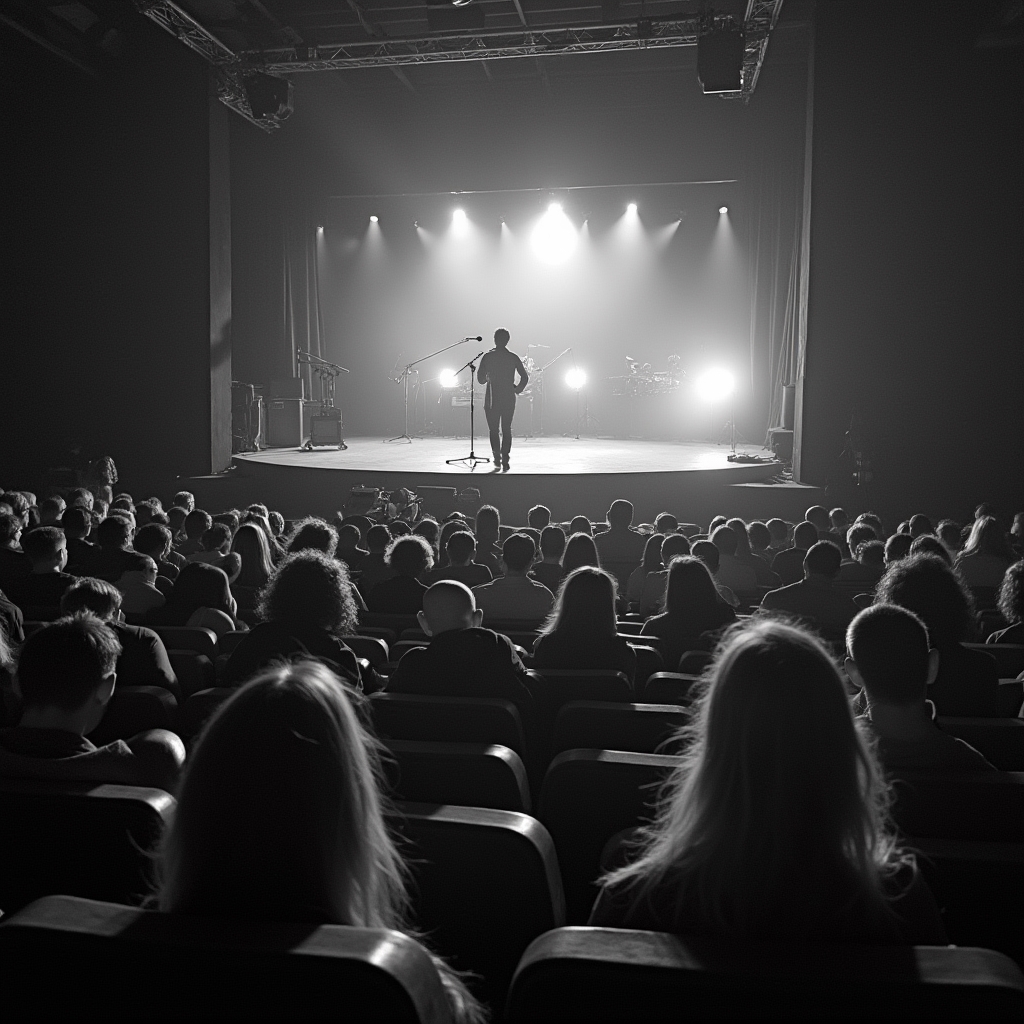
The differences between behind-the-scenes of productions in the film and music industry today and in the past are evident in various aspects. In the past, film and music production were complex processes mainly carried out in recording and creation studios. Today, with the development of technology and the internet, the production process has become more open and accessible.
One significant change is in the production process itself. In the past, film and music production was a sensory and expensive process that required a large budget and collaboration among many people. Today, with the development of digital editing software and home recording, it is possible to create quality content with a small team and lower costs.
Another significant change is in marketing and content distribution. In the past, the distribution of films and records was dependent on large companies and communication networks. Today, with the development of the internet and social networks, it is possible to market and distribute content independently and reach a wider audience directly.
What happens behind the scenes, stays behind the scenes
In the end, the differences between behind-the-scenes of productions in the past and today emphasize the many changes that have occurred in the film and music industry and how technology and the internet have changed the working methods and roles in this industry.
Using new and advanced technology in productions today
The use of new and advanced technology has significantly changed the production process of films, TV series, and digital programs. In the past, productions were mainly done using physical equipment like cameras, lighting, and visual effects. But with the advancement of technology, the process has completely changed.
Today, new technologies like CGI (Computer-Generated Imagery), advanced filming techniques, and revolutionary digital editing options allow for more efficient production of stunning results. The use of this technology enables the creation of dazzling and precise content in ways that were not possible before.
In addition, new technologies like aerial filming using drones, virtual cameras, and advanced editing techniques allow for the creation of unique and stunning content that integrates perfectly with the main storyline of the creation.
The only change that always remains is change itself
In the end, the use of new and advanced technology in productions today allows for the creation of original, stunning, and captivating content that conveys the message in a more engaging and exciting way than ever before.
3. Changes in work conditions and work relationships in the culture and art sector
In the last two decades, significant changes can be seen in the work conditions and work relationships in the culture and art sector. In the past, production managers and art workers often suffered from unreasonable working conditions and economic instability and faced job insecurity.
But with developments in the culture and art industry in recent decades, there has been an improvement in work conditions and work relationships. Today, culture and art workers enjoy better working conditions, more reasonable work hours, and varying economic incentives. Moreover, more opportunities for freelance work and collaboration with new entities in the industry have opened up, emphasizing the stability and security of workers.
In addition, industry professionals in the culture and art sector invest more time and effort in creating international work relationships and multi-disciplinary teams. They understand the importance of collaboration and work stability, thus working on creating pleasant and encouraging work environments that promote stability and peace of mind for workers.
Among productions of the past and today, dreams and disappointments are included
Rebecca Cohen – Production Manager
In conclusion, the changes in work conditions and work relationships in the culture and art sector reflect significant growth and improvement in this industry. Professionalism and stability, which were scarce some time ago, are now central, indicating significant progress in the field.
4. Changes in roles and team roles in production teams
The industry has evolved and changed significantly since the classic production days of the past. In the past, production was a long and complex process that required a significant investment of time and resources. With the development of technology and digital platforms, roles and responsibilities in production teams have changed significantly.
In the past, the general manager was primarily responsible for the production process. They were required to manage all teams, make important decisions, and ensure the final product. Today, there are additional roles like distribution unit, marketing and advertising team, digital media team, and more.
Read More

Moreover, with the development of technology, roles have opened up to many more people. Almost anyone can be part of production through social media tools and digital platforms. This has created more dynamism and creativity in the production process.
In summary, the differences in roles and team roles in production teams today reflect the tremendous changes that have occurred in the industry. Production today is a digital, dynamic, and challenging process that requires constant creativity and adaptation to technological and cultural changes.
The influence of social and digital media on the production process
Social and digital media have fundamentally changed the production process of films and TV shows. In the past, most actions were done behind the scenes, without public view. Today, with social and digital platforms, everyone collaborates in the creative and representational process.
The use of social networks is prevalent, especially among young people, who share fun behind-the-scenes photos and listen to live broadcasts. The public’s availability to public content gives them a sense of closeness and influence on the production process.

Everything you’ve heard is probably only half of the truth
In the digital age, the role of social media has expanded and evolved. Creative companies use social networks as tools for marketing and promoting their programs, as well as for building target audiences. Digitization has changed the way we consume media and how content is created.
The audience has become part of the creative process, and this is the peak point of the influence of social and digital media on production. Direct feedback and collaboration allow for changes and improvements in the process, giving rise to an engaged and interested audience.
The small details always make a big difference
Moshe Cohen – Industrial Photographer
All this demonstrates the significant change in the production industry, behind the scenes and in front of the screen. Social and digital media bring innovation and possibilities, promoting live advertising and enhancing the connection between creators and viewers.
6. Changes in the marketing and distribution process of works in the modern age
The process of marketing and distributing cultural works has undergone significant changes in the modern age. In the past, this process depended on the power of production and marketing companies, which sold works through established marketing networks. With the development of technology and the internet, the process has shifted to the consumers themselves.
Today, in the digital age, the marketing and distribution process has become more interactive and engaging. Many consumers turn to digital platforms like YouTube, Instagram, and Facebook to watch and share works. This allows consumers to be part of the creative process and create communities around their favorite works.
The difference between the productions’ behind-the-scenes is the viewer’s different perspective
Yael Cohen – Director
Additionally, with easy and quick access to technology, creating new works and distributing them has become simpler than ever. Many people can create and share works quickly and easily, strengthening the creation and content distribution process.
In conclusion, the changes in the marketing and distribution process of works in the modern age lead to new and fascinating developments in the world of culture and art. The ability of consumers to be part of the creative process and create communities around their works provides a unique and fascinating viewing and collaboration experience.